Skip to content

Stories, insights, and expert guidance from the heart of Gallery Horse

In this space, Yolanda— founder of Gallery Horse and a leading figure in classical dressage—shares her experience, recommendations, and reflections to help you choose your next horse and accompany you every step of the way in the world of high-level equestrianism.

Yolanda
Yolanda Rama
February 14, 2026

2026: The Year That Redefines the International Dressage Horse Market

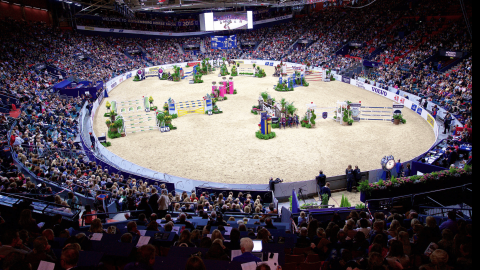
The year 2026 marks a turning point in the international dressage horse market. This shift is not only about higher prices, but about a deeper transformation in how sport projects are planned, buying decisions are made, and true talent is managed. The market is becoming more strategic, more selective, and far more long-term focused.

Read more
Yolanda Rama
February 14, 2026

Mares or Geldings? Choosing the Right Dressage Horse for Long-Term Success

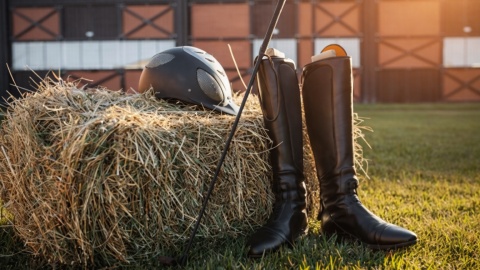
“Mare or gelding?” rarely has a universal answer. The right choice depends on the rider, the goals, and the horse’s daily reality — not stereotypes. Mares are often valued for sensitivity and expression, and can form exceptional partnerships, though they may require more consistent management. Geldings are frequently chosen for reliability and easier adaptation to travel, competition, and new environments. At Gallery Horse, what matters most is the right match for long-term success.

Read more
Yolanda Rama
January 30, 2026

Exporting a Dressage Horse Outside Europe: How the Process Works Step by Step

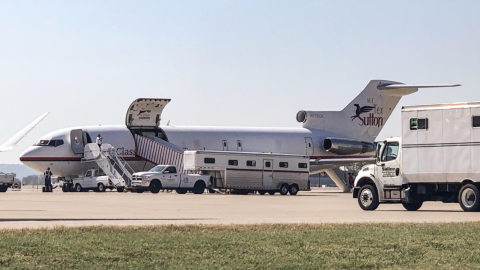
Exporting a dressage horse outside Europe is a complex process that requires precision, experience, and careful coordination. From veterinary requirements to quarantine and international transport, every step must be planned to ensure legality, safety, and the horse’s welfare.

Read more
Yolanda Rama
January 15, 2026

Why We Don’t Work With Long Chains of Agents

In an international market full of intermediaries, information gets diluted and accountability disappears. At Gallery Horse, we don’t work with long chains of agents because clear, direct representation protects the horse’s welfare, the owner, and the buyer. One consistent voice means honest context, reliable answers, and better long-term matches — not the fastest sales, but the right ones.

Read more
Yolanda Rama
October 29, 2025

Kissing Spines in Dressage Horses: Understanding, Diagnosing, and Managing a Hidden Challenge

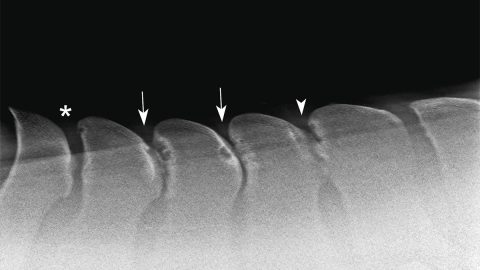
Kissing spines (overriding dorsal spinous processes) are often feared in dressage, but they’re not always a career-ender. We explain what they are, how to spot them, why training and saddle fit matter, and the paths—from rehab to surgery—that can bring a horse back to work.

Read more
Yolanda Rama
October 14, 2025

The Power of Lateral Work: From Leg Yield to Half Pass

True suppleness isn’t built overnight — it’s shaped step by step through correct lateral work. From the leg yield’s quiet obedience to the half pass’s collected strength, each exercise teaches balance, elasticity, and communication. Together, they form the language of harmony — the poetry of dressage in motion.

Read more
Yolanda Rama
October 9, 2025

The Heart of Dressage: Love and Horsemanship Above All

Dressage begins and ends with love for the horse. Beyond medals and scores, true excellence comes from harmony — a partnership built on trust, patience, and understanding. Because when training is guided by love, the result is not just technical brilliance, but joy — the kind you can see in a horse that wants to dance.

Read more
Yolanda Rama
October 8, 2025

Stable Vices: Contagious or a Management Problem?

Cribbing, weaving, and stall kicking are not contagious — they’re cries for help. When several horses in the same barn develop the same bad habits, it’s not imitation, it’s a management issue. Lack of turnout, poor feeding schedules, and social isolation are the real culprits. Stable vices don’t spread like viruses. They spread like stress.

Read more
Yolanda Rama
September 26, 2025

How Long Can a Horse Be Ridden?

We often focus on when to start riding a young horse — but what about when to stop? Age is just a number. A 12-year-old with a weak topline may be more at risk than a well-conditioned 6-year-old. Riding longevity depends on muscle, balance, conformation, previous injuries, and honest observation. A horse can be ridden as long as they can carry us without pain — not based on age, but on function.

Read more