

In the world of horses, stable vices such as cribbing, weaving, or stall kicking are often viewed with concern — and rightly so. These repetitive behaviors are usually signs that something in the horse’s environment is out of balance. But one of the most persistent myths in equestrian circles is that such vices are contagious from one horse to another.
Let’s be clear: there is no scientific evidence that stable vices are contagious.
When brands or trainers claim this to promote gadgets or quick-fix solutions, they are either misinformed or, worse, deliberately misleading.
Why Do Multiple Horses Develop the Same Vice?
At first glance, it may seem like one horse “teaches” another to weave, crib, or kick. But what’s really happening is that all the horses in that environment are subjected to the same stressors. Horses, like people, will seek coping mechanisms to deal with discomfort, stress, and frustration.
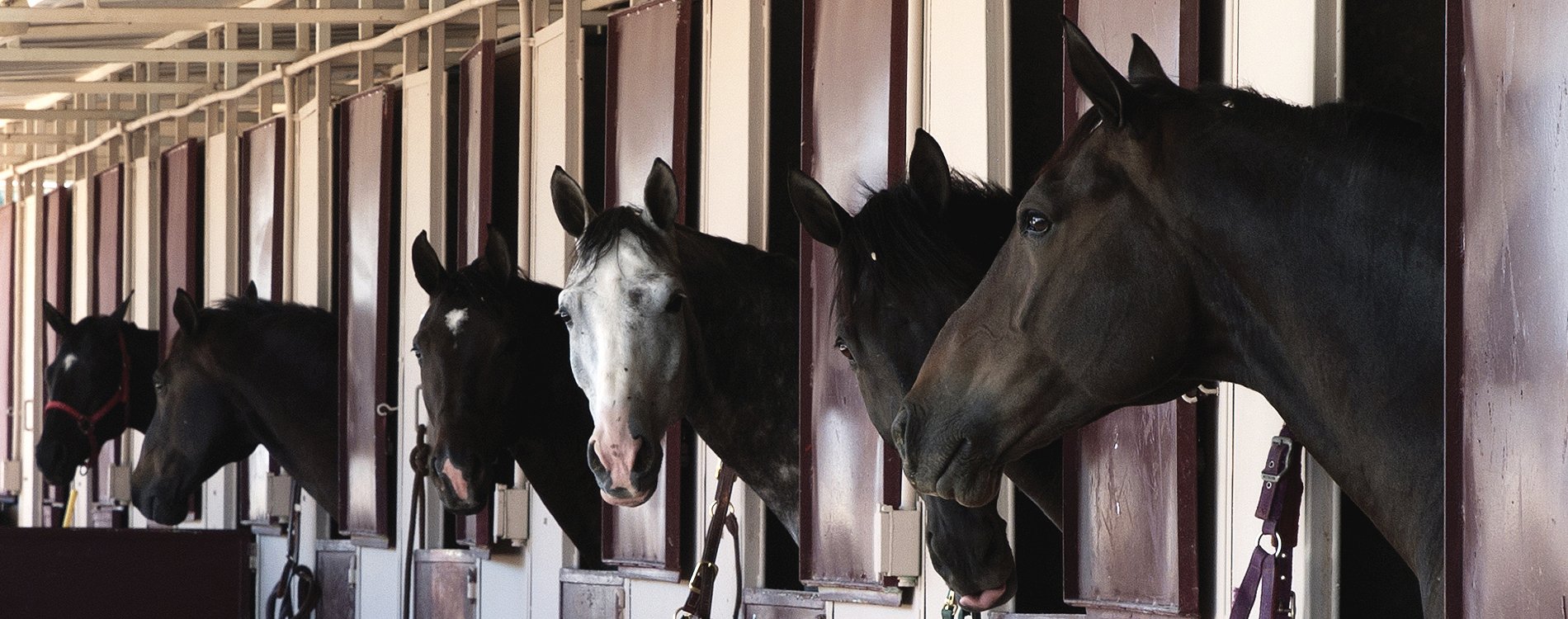
So if several horses in the same barn develop the same habits, it isn’t a case of imitation. It’s a red flag that the facility is neglecting fundamental equine needs.
The Real Common Denominator
- Lack of turnout
- Limited social interaction
- Boredom in small, confined stalls
- Inadequate forage or feeding schedules
- Poor ventilation and lighting
These are the true culprits behind stress behaviors. When management practices ignore the horse’s natural instincts and welfare, horses will develop coping mechanisms — and sometimes, many horses in the same facility will show the same vice.
The Takeaway
Stable vices don’t spread like viruses. They spread like stress.
If multiple horses in a barn are showing the same problem behavior, the solution isn’t to isolate the “bad influencer” horse. The solution is to reevaluate management practices and create an environment that supports equine well-being.
TLDR: If you see the same stress behaviors developing in multiple horses at a facility, don’t blame the horses. Blame the management.