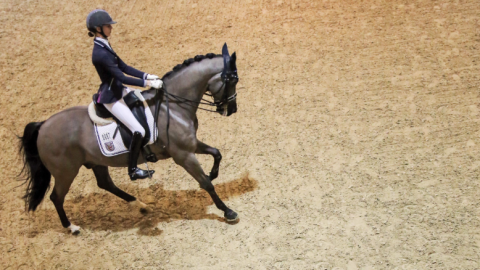


In the world of dressage, it’s becoming increasingly common to see horses with outstanding quality who never reach their full potential. Horses with good conformation, strong genetics, and excellent movement... yet they don’t progress as expected. Why is that?
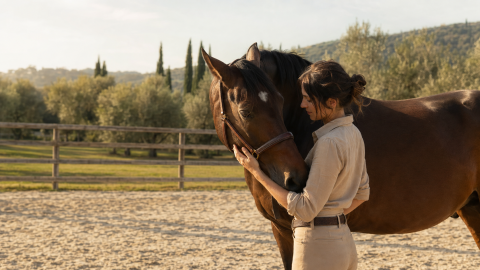
One of the most obvious — yet least acknowledged — reasons is that many riders today, both amateur and professional, don’t truly know how to handle a horse. And we’re not just talking about riding technique, but something much deeper: understanding the horse as a living being.
A horse is not a machine. You can’t just “ask” and expect a perfect “response.” A good rider or trainer knows how to read what’s going on inside the horse — they adapt their approach, respect the learning rhythm, and seek a balance between demand and well-being.
This problem, however, goes beyond the rider.
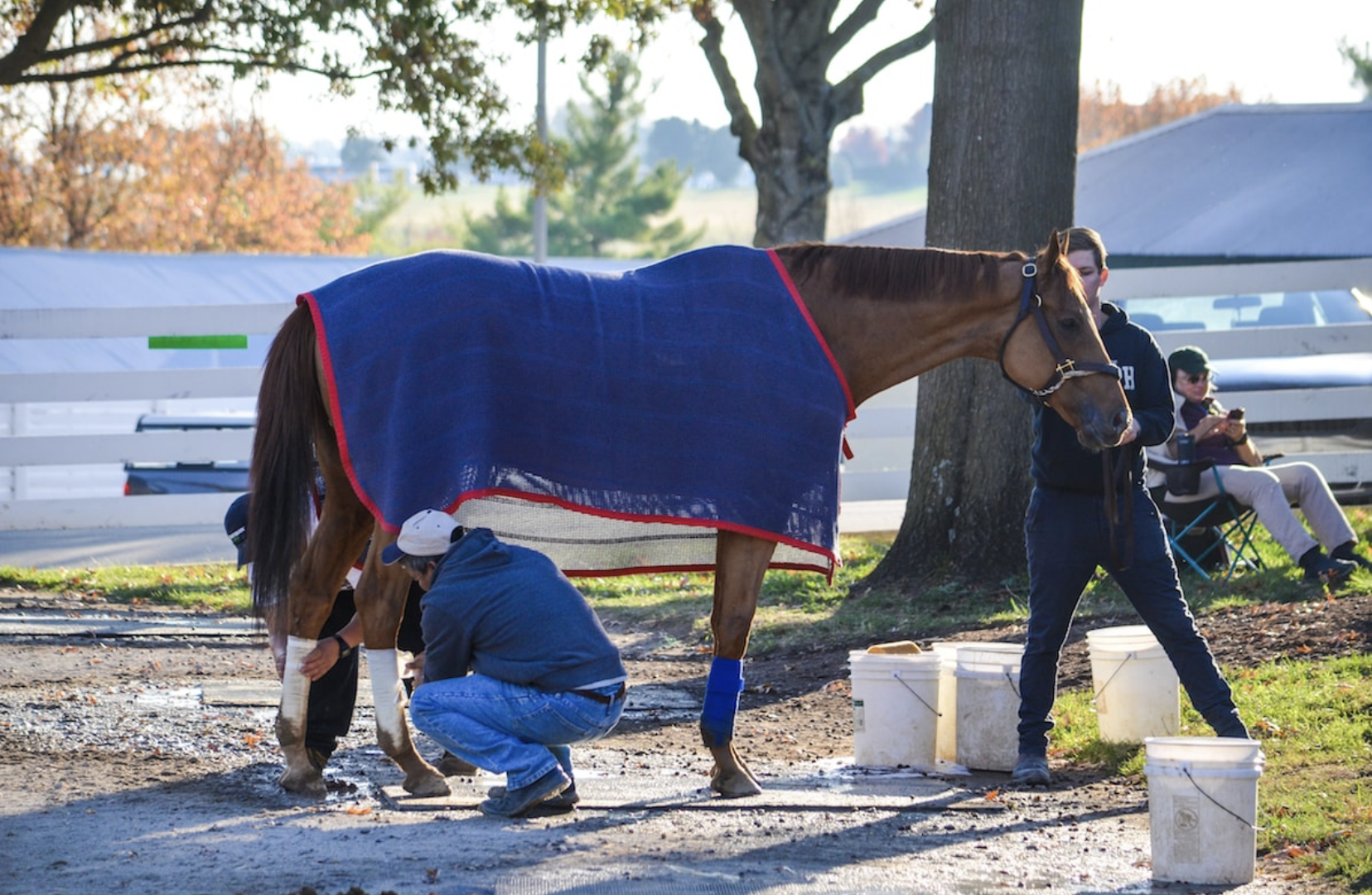
We see breeders selecting based on trends without considering temperament or trainability. Trainers applying the same method to horses with completely different personalities and backgrounds. And even well-meaning owners who unknowingly subject their horses to a lifestyle that is unnatural, restrictive, and emotionally draining.
We’ve forgotten what a horse truly is.
A horse is a herd animal, deeply social, who needs contact with others to feel safe. Its body is designed to graze 14 to 16 hours a day, to move constantly, to explore, interact, and play.
And yet, we confine them to a stall for 23 hours a day, alone — and expect them to be healthy, focused, and happy.
How many horses have died from colic due to lack of movement or poor feeding practices?
How many develop stable vices — like cribbing, weaving or box walking — as a result of chronic stress and unmet needs?
The problem isn’t the horse’s lack of talent.
The real issue is a widespread lack of deep knowledge, empathy, and respect from the people around them.
At Gallery Horse, we’ve witnessed it firsthand: horses that completely transform when they are given the right environment — space to move, a fair training plan, a stable social group, and consistency in their routine.
Sadly, many brilliant horses never get that chance.
As professionals in the sport, we believe it is our duty to educate the next generation of riders and horse lovers about what kind of being the horse truly is. Understanding the horse’s psyche, physical needs, and emotional world isn’t a luxury — it’s the foundation of ethical, responsible, and successful horsemanship.