

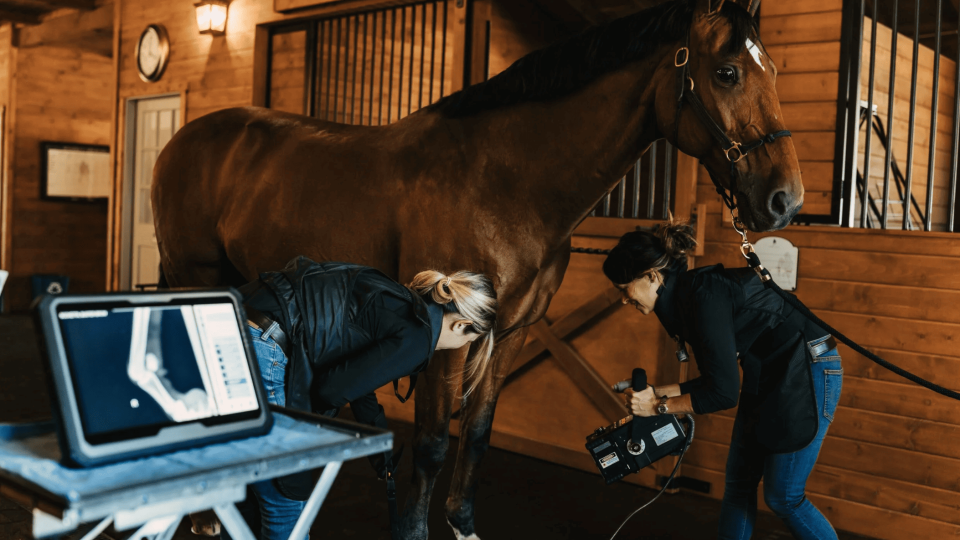
A reflection on balance, responsibility, and real horsemanship
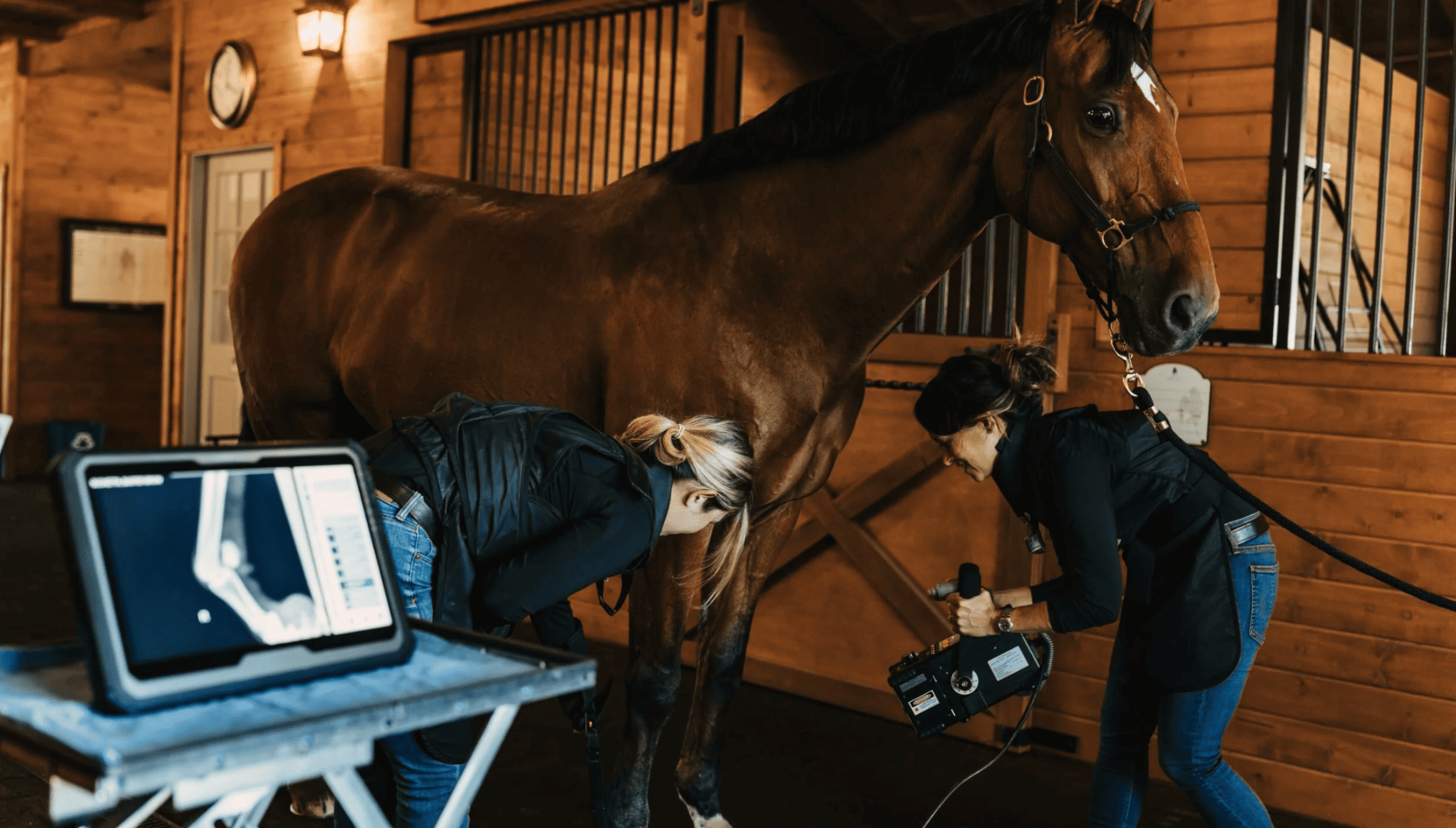
In recent years, the pre-purchase veterinary examination has evolved from a necessary safeguard into something far more influential — sometimes even decisive.
As highlighted recently in Horse & Hound, and articulated by Richard Sheane, there is a growing concern within the industry:
Are vets starting to choose horses, instead of riders choosing horses?
At Gallery Horse, we believe this question deserves reflection — not opposition, not blame — but balance.
The vet’s role: protection, not prediction
Veterinary examinations exist for one essential reason:
to identify clinical issues, significant risks, and red flags that could compromise a horse’s welfare or the rider’s expectations.
But a vetting is not a crystal ball.
No X-ray can predict:
- How a horse will mentally cope with pressure
- How correct training will shape its longevity
- How management, riding quality, and empathy will influence soundness
A clean vetting does not guarantee success.
And a finding does not automatically mean failure.
Horses are athletes — not machines
Dressage horses are elite athletes. Like all athletes:
- They adapt
- They compensate
- They evolve over time
If we only accepted perfect X-rays, the sport would lose some of its greatest legends.
History reminds us that many extraordinary horses would never pass today’s ultra-conservative filters — yet they shaped the sport forever.
When fear replaces horsemanship
One of the most dangerous trends we see today is not veterinary caution — it is fear-driven decision-making.
Buyers increasingly want:
- Zero risk
- Zero findings
- Absolute guarantees
But horses do not come with warranties.
When fear dictates decisions, we stop asking the right questions:
- Is this horse suitable for this rider?
- Is the training correct?
- Is the management realistic?
- Is the expectation aligned with the horse’s nature?
The missing voice: experience and context
At Gallery Horse, we strongly believe that the best decisions are made when three voices are equally respected:
- The veterinarian
- The rider or trainer
- The experienced agent or horseman
A vet provides medical insight.
A rider provides feel and connection.
An agent provides context, perspective, and long-term vision.
When one voice dominates, imbalance appears.
From exclusion to informed choice
The goal should never be to exclude horses automatically.
The goal should be to inform buyers honestly, clearly, and calmly.
Findings should be explained:
- In context
- In relation to age, workload, and level
- With realistic risk assessment, not worst-case scenarios
A rider deserves to choose — with knowledge, not fear.
Our philosophy at Gallery Horse
We do not sell perfect horses.
We sell appropriate horses.
Horses that fit:
- The rider’s level
- The rider’s ambition
- The rider’s lifestyle
And yes — horses with transparency, veterinary clarity, and honest conversations.
Because real horsemanship lives in nuance, not absolutes.
Final thought
Veterinary exams should protect the horse and inform the rider —
not replace judgment, experience, and feel.
In a sport built on partnership, trust and understanding will always matter more than perfection.
That is where great matches are truly made.